Fleet Fueling
Fleet Fueling in South Carolina
Every time a driver detours to a pump, you pay for the detour, the queue and the paperwork — and you still don't know which truck burned what.
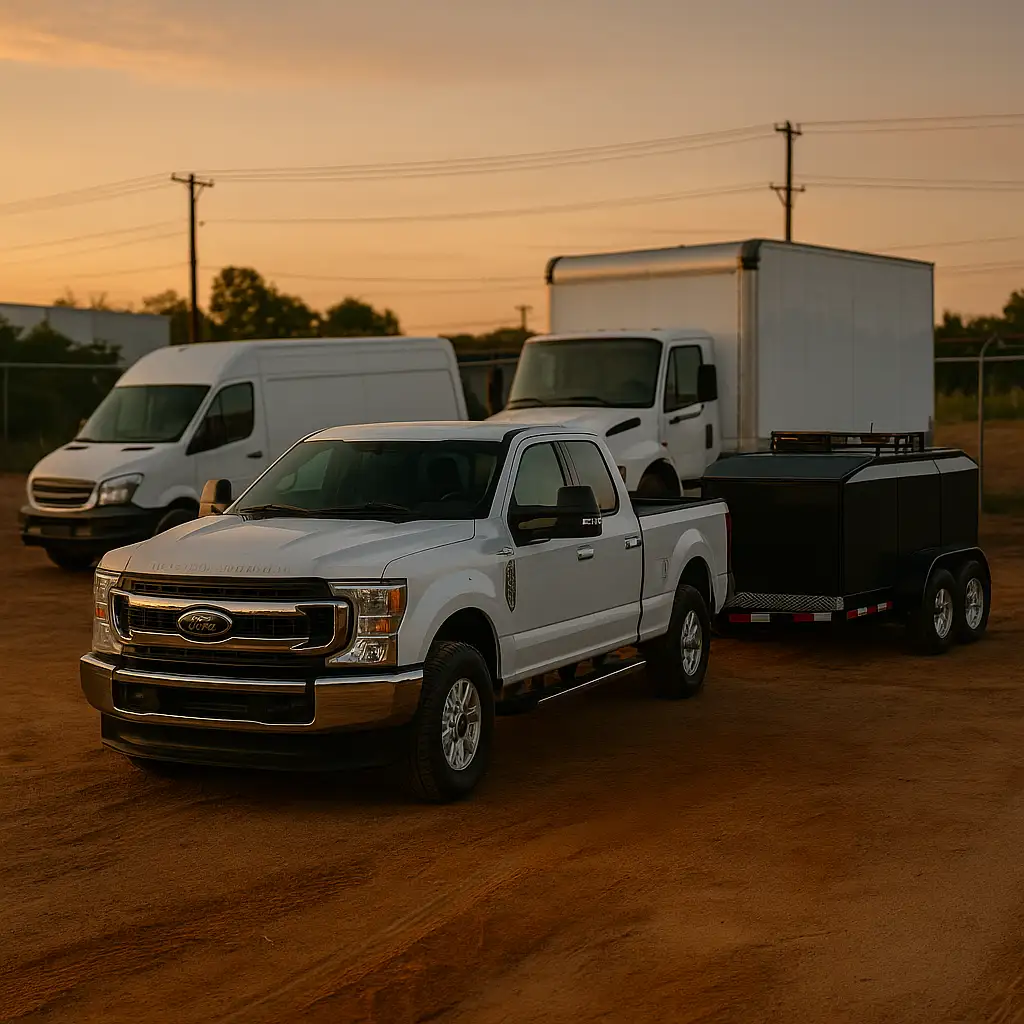
We bring the fuel to your yard instead. Overnight or pre-dawn, every unit fueled in place, volumes recorded per vehicle, and the whole fleet full before the first shift rolls. Across the Midlands of South Carolina.
What pump stops actually cost you
The per-gallon price is the part everyone looks at. It's rarely the expensive part.
15–30 min
Lost per fuel stop
Detour, queue, pump, pay, log. Multiply that by every truck, every few days, and it stops being a rounding error.
Paid labor
You're buying the detour
A driver at the pump is on the clock. Fleet fueling converts that time back into billable work or an earlier start.
Retail price
Plus whatever's on the sign
Card networks and retail pricing are set for you, not by you. Volume delivery is a negotiation instead.
Zero visibility
Into who burned what
Card statements tell you a card was swiped. Per-unit delivery volumes tell you which truck is drinking.
How fleet fueling works
It's deliberately boring. That's the point — once it's set up you stop thinking about fuel.
- We agree on a window — most yards land on overnight or pre-dawn, while the fleet is parked and nothing is in the way.
- Our truck comes to you and fuels each unit in place. That's wet hosing: hose to vehicle, no one moves, no one queues.
- We record volume per unit, so your invoice shows what went into which truck rather than one lump total.
- You get a recurring schedule matched to your burn rate, and you can still call for an extra drop when a job runs hot.
- Diesel, off-road diesel and DEF all ride on the same visit, so a mixed yard is still one stop and one invoice.
Who it suits
Trucking & delivery fleets
Tractors, straight trucks and delivery vans that need to roll at 6 a.m. full. Fueling overnight means drivers start their clock on the road, not in a fuel line.
Contractor & service fleets
Dump trucks, service bodies and pickups that scatter to different sites each morning. One stop at the yard beats each driver finding their own pump.
Equipment yards
Mixed yards where licensed trucks need clear diesel and the iron needs dyed off-road fuel. We bring both, separated and labeled.
Municipal & utility fleets
Public works and utility vehicles, including equipment staged for storm response that has to be full and ready to deploy.
Fleet fueling questions
Wet hosing — also called mobile or on-site fueling — means our truck comes to your yard and fuels each of your vehicles directly from the hose, where they're parked. Nobody drives anywhere, nothing queues, and the whole fleet is full before the next shift starts.
Yes, and it's the most common arrangement. Fueling while the yard is parked keeps us out of your way and means every unit is full at the start of the day. We work the window around your operation, not the other way round.
Two ways. You buy on volume instead of at retail, and you stop paying drivers to detour, queue and pay at a pump. For most fleets the labor and downtime saving is the larger of the two, which is why comparing only the per-gallon number understates it.
Yes. We record the volume into each unit and itemize it, so you can see which trucks are burning what instead of getting one lump total. That's usually the first time an operation finds out it has a problem vehicle.
There's no hard cutoff — it depends on your volume, how spread out your drivers are and how much their time costs you. Smaller fleets with high utilization often benefit more than larger fleets that happen to sit next to a truck stop. Call with your numbers and we'll tell you honestly whether it makes sense.
Call us. Scheduled customers get priority, including during weather events when everyone phones at once. A standing schedule doesn't lock you out of extra deliveries — it just means you rarely need them.
Yes. Any SCR-equipped truck built since 2010 needs DEF, and we bring it on the same visit — jugs, drums, totes or bulk, sized to your diesel volume.
Routinely. Licensed trucks get clear on-road diesel, equipment that stays off public roads gets dyed off-road diesel, and we keep them separated and labeled. Putting dyed fuel in an on-road vehicle carries real penalties, so we're careful about it.
Other services
Ready to Get Started?
Contact us today for competitive pricing and same-day fuel delivery service
When you contact us, please include:
- Your location and delivery address
- Type and amount of fuel needed
- Preferred delivery date and time
- Equipment type (if applicable)